By : Dr Suseno Sukoyono, Chairman of the Indonesian Ornamental Fish Council (DIHI)
JAKARTA – Indonesia’s commitment to balancing blue economic growth, climate justice, and the preservation of global coastal ecosystems was strongly reaffirmed. Marking International Mangrove Day 2026, the Blue Forests Foundation (Yayasan Hutan Biru), in collaboration with the Environmental Leadership Training Initiative (ELTI) and Yale University, hosted a Partners Gathering driven by a spirit of collaboration at Plataran Senayan, Jakarta, on August 3, 2026.
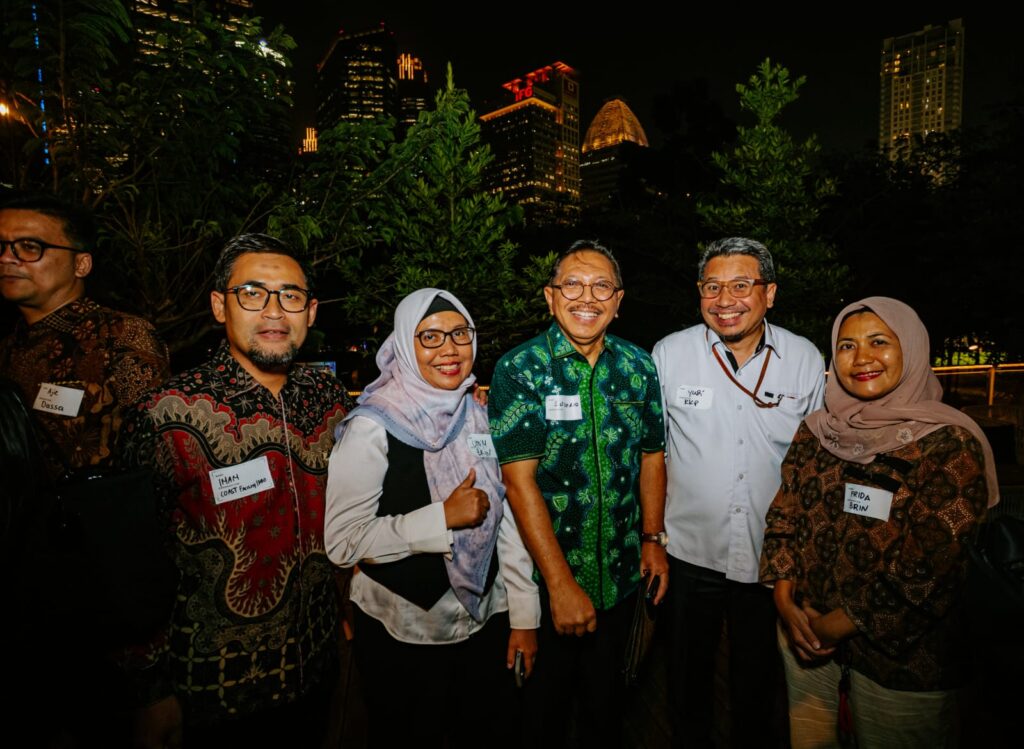
The event convened key environmental, academic, and maritime stakeholders, including Dr. Suseno Sukoyono, Chairman of the Indonesian Ornamental Fish Council (DIHI), who participated actively. This strategic gathering served as a vital moment to reinforce the role of mangrove ecosystems and Blue Forests—which store up to 3.14 billion metric tons of global blue carbon—not only as a shield for climate mitigation, but also as a primary pillar for the sustainability of the national ornamental fish industry and a cornerstone of coastal community welfare.
Synergy in Action: Cross-Sectoral Collaboration
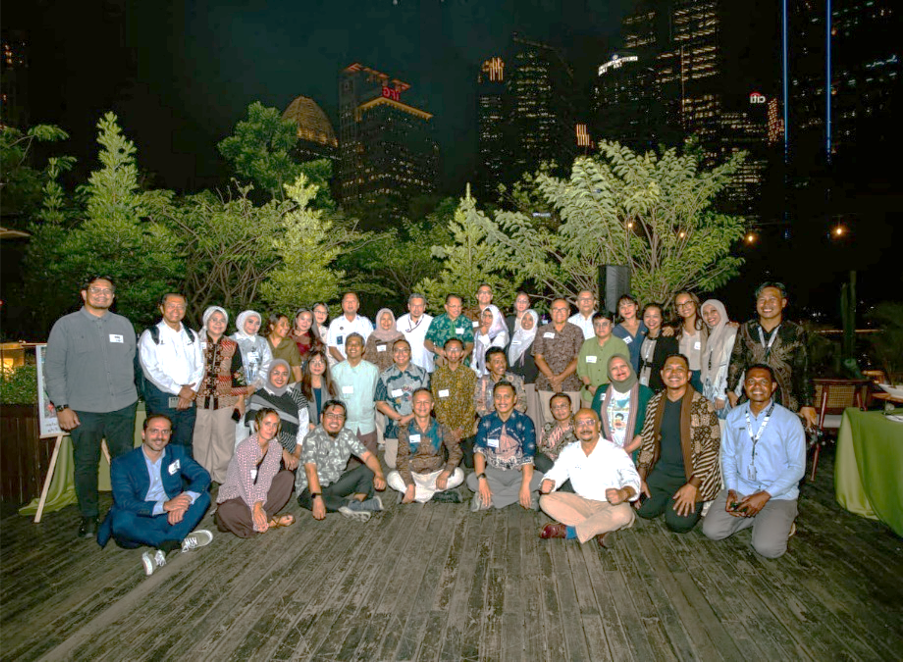
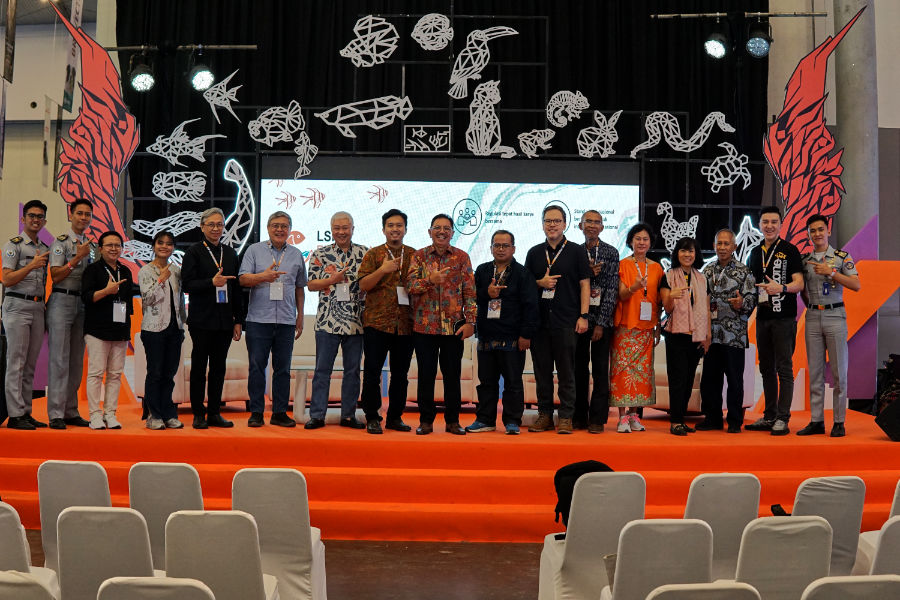
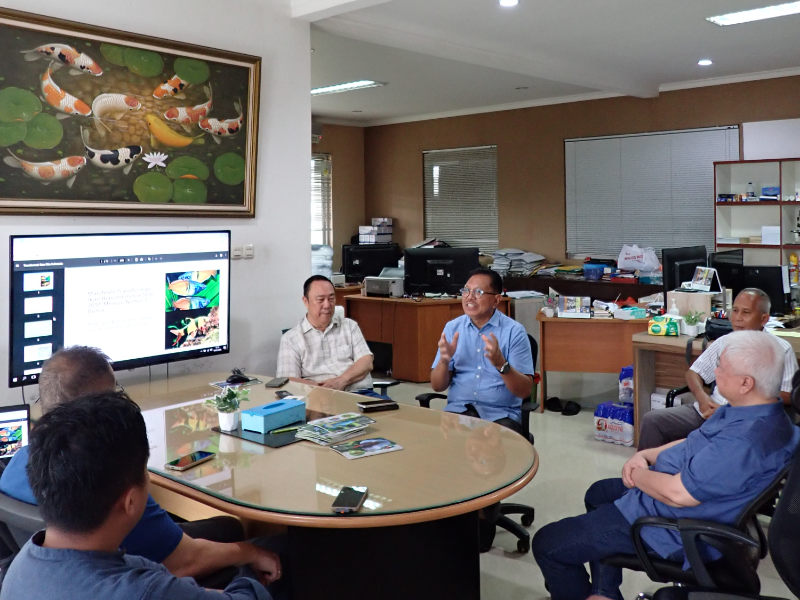
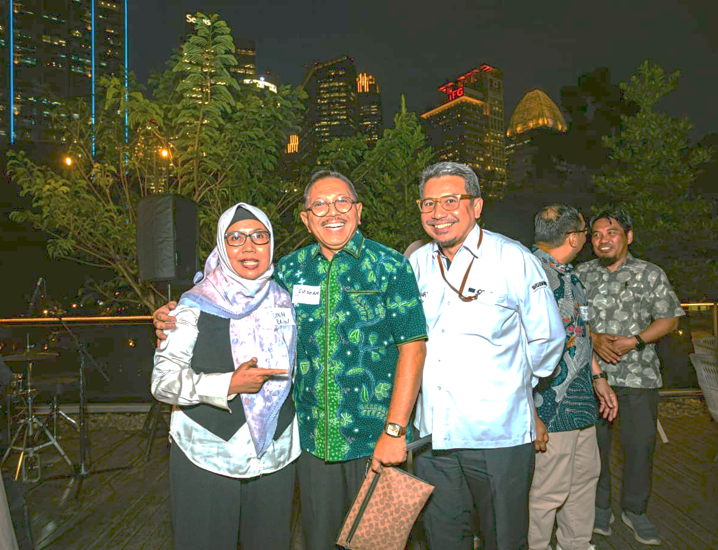
As captured in the group photo above, the Partners Gathering highlighted the power of inclusive collaboration. The presence of diverse partners underscores that safeguarding Blue Forests requires a robust, multi-sectoral approach. The atmosphere reflected in the image is not merely a celebration, but a shared commitment to tangible coastal ecosystem restoration.
Stock Taking Session: CBEMR, Blue Carbon, and the Roadmap to COP31
A central agenda of the meeting was a stock-taking session moderated by the Executive Director of Blue Forests. The session provided a dynamic platform for stakeholders to review progress, identify challenges, and emphasize the necessity of scaling up community-based mangrove management alongside leveraging the economic value of blue carbon in Indonesia.
During the discussion, Dr. Suseno Sukoyono offered key interventions linking national environmental diplomacy with the global climate agenda, specifically looking ahead to the upcoming UN Climate Change Conference (UNFCCC COP31) in November 2026.
DIHI’s presence ensured that the perspective of the fisheries sector—particularly the ornamental fish industry—was represented in shaping equitable blue carbon policies.
“Scaling up mangrove management and unlocking the economic value of blue carbon must not stop at formal conservation alone. This agenda must serve as Indonesia’s strategic bargaining position in global climate diplomacy at the upcoming COP31. The core foundation remains the welfare of our people. When mangroves are protected through community-based approaches and blue carbon frameworks are managed equitably, coastal communities receive direct economic incentives. The sustainability of the national ornamental fish trade is directly rooted in the health of our seascape. Without prosperous coastal communities and intact mangroves, sustainable trade in ornamental fish simply cannot exist.”
— Dr. Suseno Sukoyono, Chairman of the Indonesian Ornamental Fish Council (DIHI)
Academic Synergy and Community-Based Ecological Mangrove Rehabilitation (CBEMR)
Restoring and scaling up the management of coastal ecosystems requires a proven, science-based approach. Within this framework, the collaboration between ELTI, Yale University, and Blue Forests provides a solid academic foundation through environmental leadership training and conservation education.
The Blue Forests Foundation consistently applies the Community-Based Ecological Mangrove Rehabilitation (CBEMR) methodology. Departing from conventional monoculture planting, CBEMR prioritizes restoring natural hydrology and fostering active local participation to enable natural regeneration, species diversity, and high survival rates. Supported by applied research and the academic networks of Yale University and ELTI, this initiative builds stakeholder capacity to measure soil carbon stocks while designing non-carbon economic incentives for local communities.
Seascape Connectivity: Mangroves as a Vital Shield for Indonesia’s Ornamental Fish
As highlighted during the stock-taking session, Blue Forest ecosystems play an irreplaceable ecological role across seascape connectivity, bridging mangroves, seagrass beds, and coral reefs. Mangroves act as critical natural nursery grounds for high-value brackish and marine ornamental fish species—such as Monodactylus argenteus and various reef fish larvae—before they migrate to coral reef habitats. The dense root systems of mangroves offer essential protection from predators and an abundance of natural food.
The long-term viability of an industry built on responsible sustainable trade hinges on the integrity of this interconnected ecosystem. Mangrove degradation directly disrupts wild fish lifecycles, jeopardizes aquatic supply chains in global markets, and undermines small-scale fishers’ livelihoods. Consequently, alignment between aquatic industry stakeholders and conservation advocates is essential to securing both commercial viability and ecological resilience.
Solidifying a Shared Commitment to Global Climate Justice
Through the momentum of the 2026 International Mangrove Day Partners Gathering, the engagement of the Indonesian Ornamental Fish Council alongside Blue Forests, Yale University, and ELTI demonstrates that economic resource utilization and blue carbon potential can align seamlessly with Indonesia’s Nationally Determined Contribution (NDC) targets and global climate goals.
By advancing a strong narrative on climate justice and coastal community welfare toward COP31 in November 2026, this ongoing partnership ensures that every step taken in blue forest management and ornamental fish trade development remains anchored in inclusive, sustainable Blue Economy principles.